Wednesday, 6 March 2013

Kookaburra Valley Farmstay

We went for a drive along the Eastern side of the Peninsula through Merricks, Balnarring, Hastings to Tyabb. All lovely little villages with the friendliest people.
There were hay bales as far as the eye could see.

 
Hasting had a lovely marina.

We then went to Arthurs Seat, which was named after a similar mountain in Edinburgh Scotland in 1802. We walked to the Seawinds Gardens with it’s wonderful views a large 34 hectare park within the Arthurs Seat State Park.

A very large seat to fill at the top of the mountain. 
The park was filled with curious kangaroos.

A view from Bay Lookout.


At our accommodation at Nepean Country Club Resort these birds made a great welcoming party. 


We also went to the Famous Portsea Hotel right on the waterfront at Portsea. The end of the road atmosphere sets the scene for the million dollar holiday mansions of Portsea. Melbourne’s rich and famous have built here from the 1860’s through to the 1920’s and the buildings are statements sitting on the edge of cliffs overlooking the waters.
We had lunch at the Hotel built in 1927, seating on the terrace looking out over the bay with the most stunning views.


Looking back towards the hotel from the waterfront.
After lunch we went for a walk approx. 5 kilometres in length out along the Port Nepean Discovery Walk to the very end of the Mornington Peninsula.
During the last century in Australia with migrants arriving from all over the world it became essential to have quarantine for livestock. Many new settlers brought their own sheep, horses and goats to help settle into the new land. It was known that rinderpest and foot and mouth disease could rapidly infect local livestock so conditions had to be put in place to ensure the health of these animals. The jetty and holding yards were built at Observation Point in 1879. Later quarantine yards were established at Melbourne Zoo and Coode Island.


Fort Nepean is at the westward end of Point Nepean. The turbulent waterway between Port Phillip and Point Lonsdale is known as the Rip. Today the heads provide the sole access point to Port Melbourne. The rip is still considered one of the world’s most testing navigational challenges. Mariners of old described their passage through the treacherous currents and reefs as “threading the needle”.
Although the walk was quite long the views were well worth the effort.
The Fort Nepean & Quarantine Station from 1858 complex has tunnels and gun emplacements, the tunnels at the fort were extensive this one was going to the engine room down by the water’s edge.
This is the beach where Harold Holt disappeared.

We also drove to Lakes Entrance and stopped at Mt Barkly Lookout Kalimna.


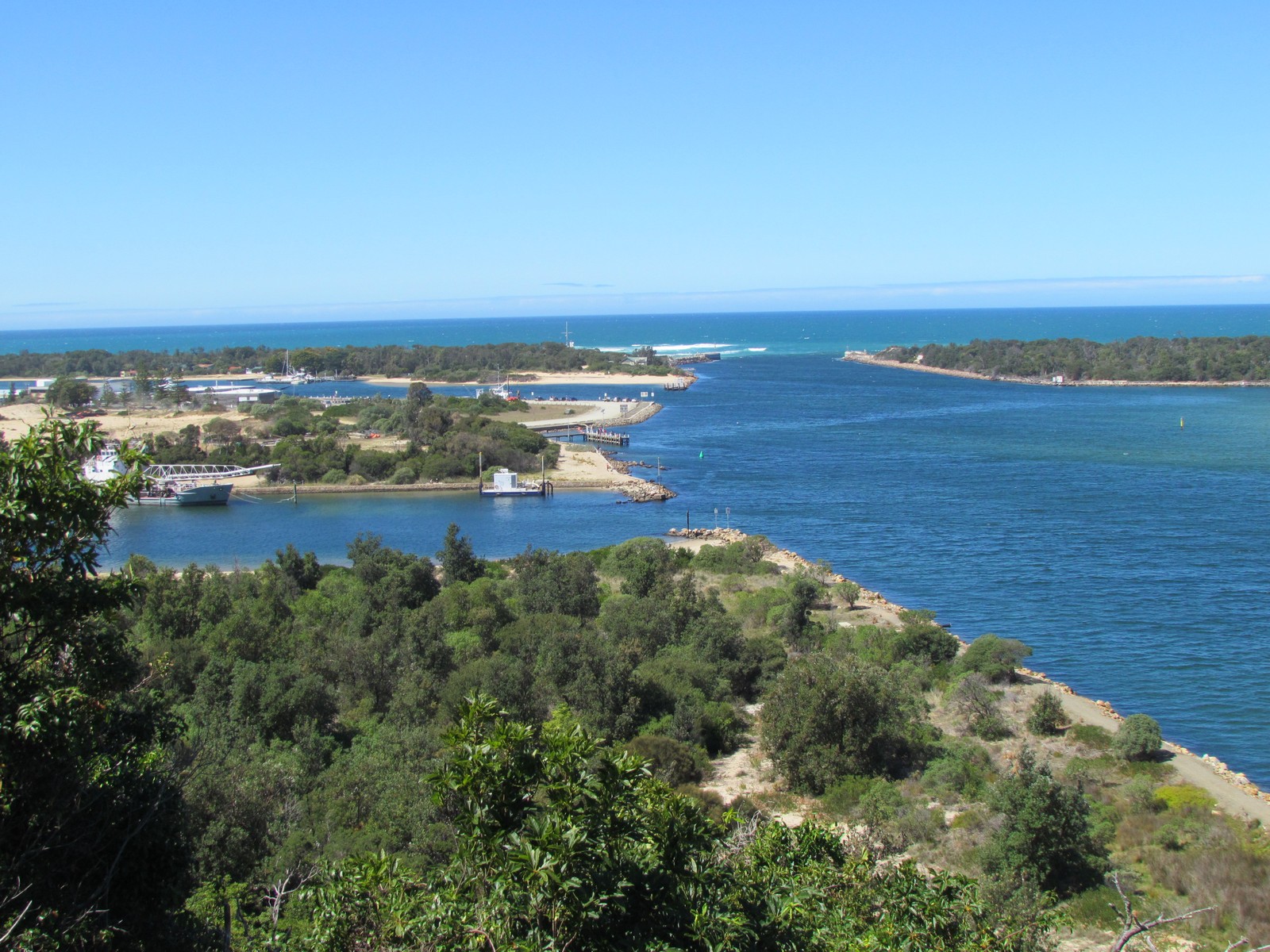
A view of the entrance to the lakes at Lakes Entrance from Jemmies Point.

On our way to the Den of Nargun we came across this wonderful echidna going about his day.

The Den of Nargun has great cultural significance to the aboriginal people especially the women of the Gunnai/Kurnai community. Tradition has it that the Nargun lives there a fierce being of half human - half stone. The Nargun was feared because it took children who visited the rockpool. Spears thrown at it were reflected back to the thrower. The den a cave under a rock overhang once had stalactites hanging from it however visitors unfortunately took these as souvenirs. Some can still be seen today.

The Den of Nargun in the Mitchell River National Park and has the Woolshed Creek running through it.
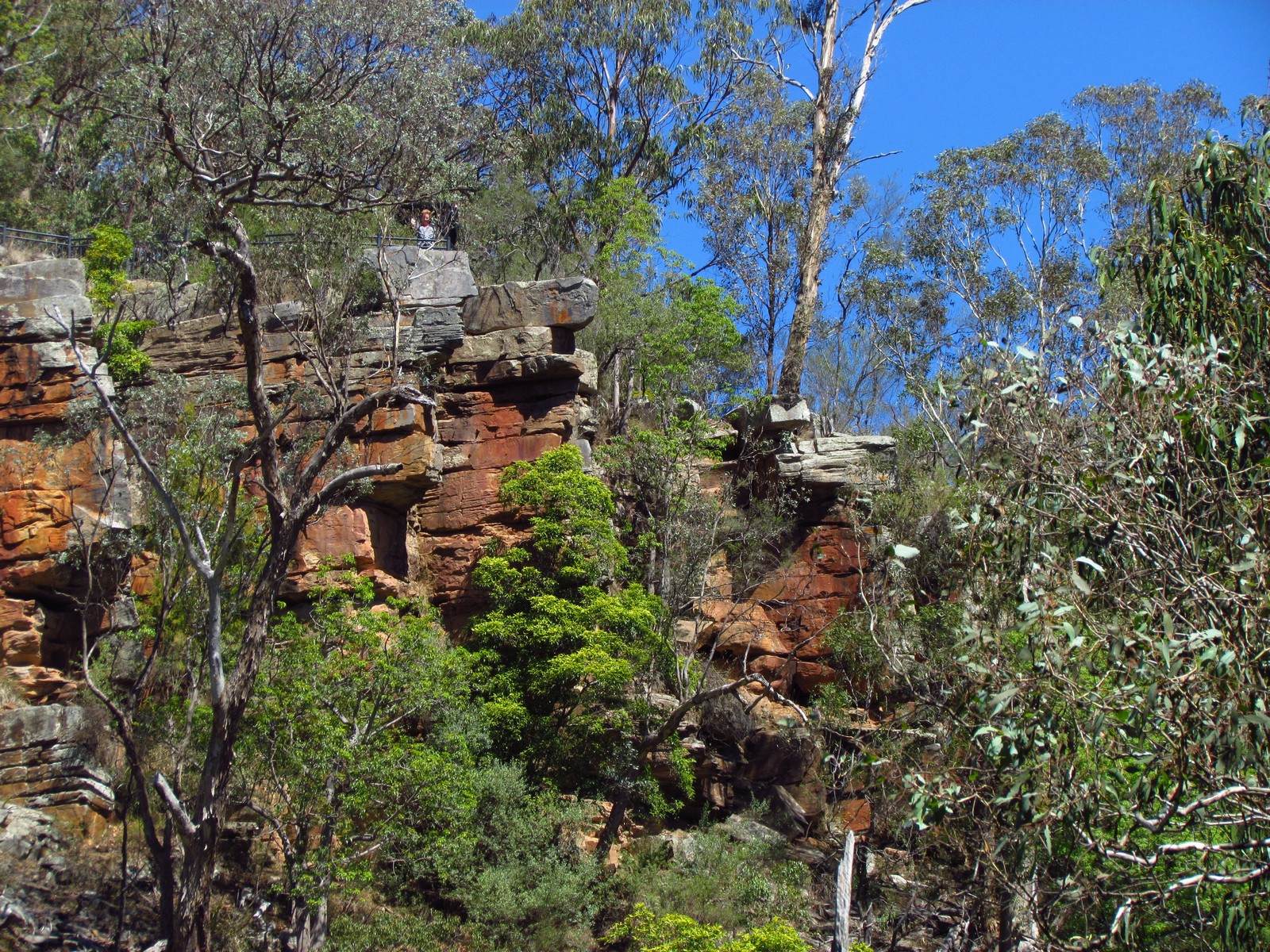
Looking closely you can see me at Bluff Lookout where I stayed while Kevin walked down through the valley to the glen at the creek.


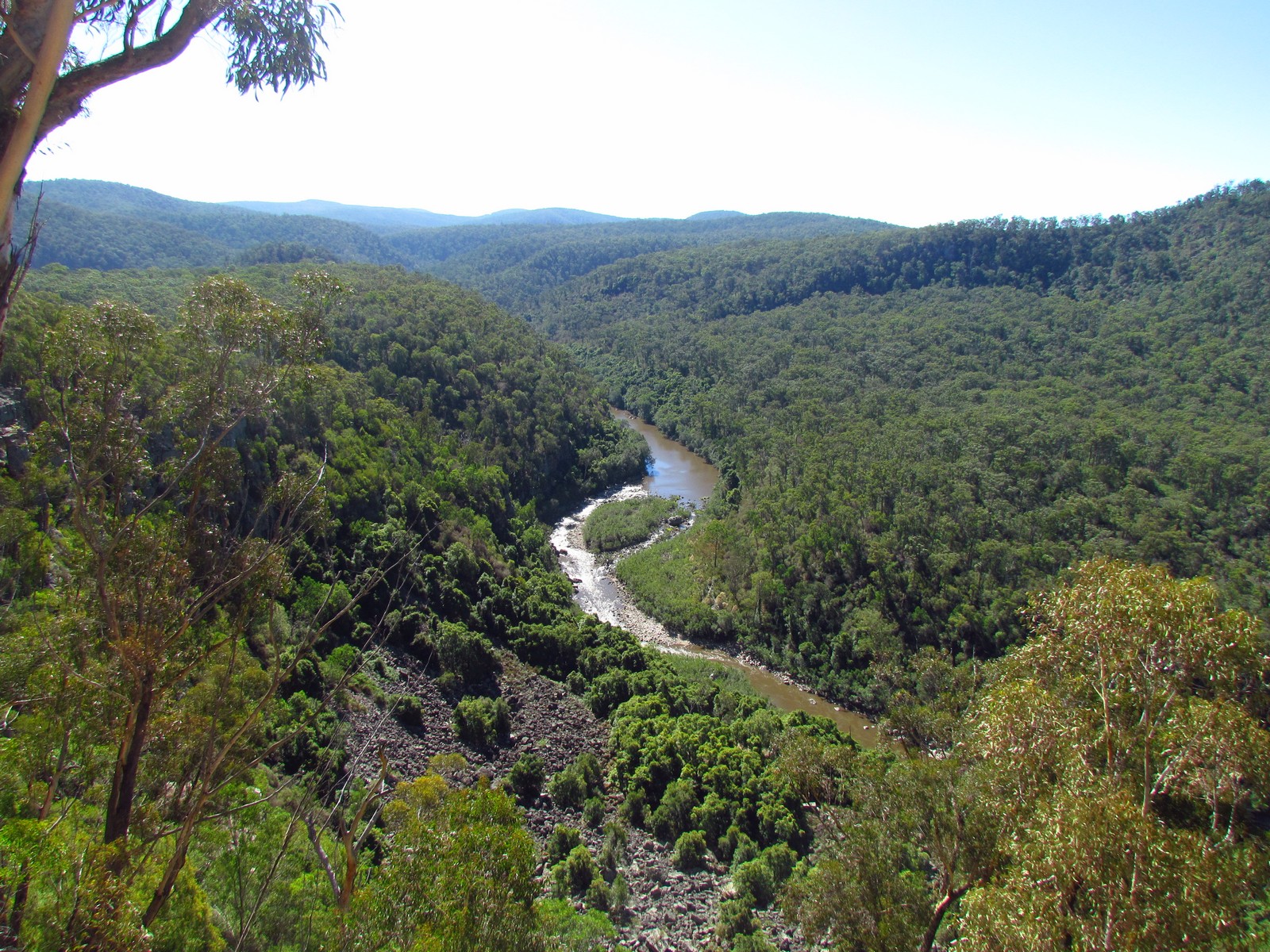
We drove through the park to Billy Goat Bend, where the Mitchell River has carved a natural amphitheater through the 350 million year old sandstone. The Mitchell River is the only major Victorian River that runs wild and freely from its source to the sea, starting as a series of streams from the moss bogs.

In Bairnsdale there is the most unusual Court House built in 1873 that we have ever seen.
We are staying in the Lakes Entrance area at Sarsfield on the Kookaburra Valley farm which is an idyllic cottage in farmland about 15 minutes drive from Bairnsdale. This is the view as we wake in the morning from the front door or bedroom window such a special serenity exists here no noise other than that from the birds.


The view once the fog had lifted. There is no phone signal and therefore no internet available so I am being forced to have a real peaceful time, Kevin is driving into Bairnsdale each day to work at the library and I am staying on the farm even the owners of the property go to work during the day so there is nobody around for literally miles and miles very peaceful and soul renewing.


Thursday, 28 February 2013

Bathing Boxes & Sandcastles

Whilst staying on the Melbourne Peninsula we have visited the Peninsula Hot Springs. Natural thermal mineral waters flow into the pools providing the idyllic setting for relaxation and rejuvenation bathing in the naturally healing waters of mineral rich thermal waters.

Kevin relaxing in the Cave Pool
The Bath House has over 20 bathing experiences on offer including a Hilltop pool with 360 degree views, reflexology walk, Turkish steam room, sauna, cave pool, family bathing area and much more. A Bath House cafe offers healthy meals when you get hungry.

A view of the pools going up the mountain
The 50°C naturally hot mineral spring water flows from an underground aquifer 637 metres below the surface. The water runs untouched direct from the source to the pools, which range between 37°C and 43°C. Peninsula Hot Springs thermal mineral water contains a range of naturally occurring minerals including sulphur, calcium, magnesium, potassium and many others and is classified as a “Sodium Chloride Bicarbonate Spring” (Na-Cl.HCO3). The therapeutic benefits of the mineral springs are said to include the alleviation of neuralgia, bruising, articular rheumatism, stiffness of the shoulders, recovery from fatigue and muscular complaints and enhancing fertility.

The Silent Pool
It was a shame that it was raining as the views from the hilltop pool where not as magnificent as they can be according to a local I spoke with.

The Hilltop Pool with 360 degree views
We have also driven along the coastline from Rosebud, Dromana, Mt Martha, Mornington and Frankston. All these lovely beachside villages have the famous bathing boxes on the beach.

These boxes are on Mt Martha beach.
For over 100 years the Mornington Peninsula has been and remains one of Victoria’s favourite recreational destinations. Whether residents or visitors, generations of Greater Melbourne families have enjoyed growing up and holidaying on the Peninsula, thereby contributing to the Municipality’s heritage and cultural development.

A great idea to store canoes, chairs etc and somewhere shady to sit.
 The Mornington Peninsula has about 45 km or one sixth of Port Phillip’s coastline. 26 beaches between Mount Eliza and Portsea, home to over 1,300 bathing boxes, boatsheds and similar structures or approximately two thirds of Victoria’s 1,860 total beach boxes. The State Government (Department of Sustainability and Environment) permits occupancy of a beach box on Crown land reserves by delegating the Mornington Peninsula Shire Council and other appointed Foreshore Committees of Management to issue a conditional licence or permit for a statutory (three year) period. The responsible authorities apply revenue raised from beach boxes to maintain and enhance the beach environment for all communities and visitors.

Mt Martha Foreshore area.
 The term ‘beach box’ means bathing box, boatshed or similar structure. Beach boxes have been built by members of the community over the past century, and come in a wide variety of shapes and sizes often reflecting the architectural style of the period in which they were constructed. Individually, each one is unique in its appearance and character; as a group they are a colourful cluster of historical icons. They are part of the Mornington Peninsula’s identity and Victoria’s cultural heritage.

Mills Beach Scenic Lookout
You can purchase a bathing box if you are a rate payer of the shire. The asking prices can range from $100,000 to $585,000 which was the record set in January 2011 a Portsea when five bidders fought for the property at RT Edgar auction.

Under The Sea Sandcastle Exhibition
 The went to Frankston to see the sand sculptures. After 5 spectacular seasons of sand sculptures on the Waterfront, Frankston is definitely the home of sand sculpting in Australia.

For 4 months from Boxing Day, Frankston Waterfront is transformed as 3,500 tonnes of sand is carved into spectacular sculptures. This year, Sand Sculpting Australia's team of talented International and Australian sculptors will bring to 'life' in meticulous detail "Under the Sea" - a submerged world of breathtaking beauty and foreboding.

This amazing work was the back of a tortoise.
A world where reality and fantasy combine in massive sand sculptures that will delight and enthrall visitors of all ages. Sculptures of Mermaids, Sea Witches, Poseidon and Atlantis will stand alongside Whales, Submarines, Sharks and a Coral Reef.

Atlantis above is said to be the lost city that sank beneath the sea. Believed by some to be the home of civilisation and an earthly paradise. To others, it's merely a fable invented by the Greek philosopher, Plato.

Large octopus in the background.
 The sand used to create the sculptures is Brickies sand and each grain is square in shape. This means that it sticks together better than beach sand which is smoother and rounder in shape. The finished sculptures are sprayed with a bio degradable environmentally friendly coating that gives the sculptures a water resistant coating.

View from a distance and still the detail is seen.
 At the end of the event the sand sculptures are knocked down by a bulldozer and the sand is taken away and stored for next years event. Apart from water nothing is added to the sand it is the hard compaction that gives it the ability to hold it's form. The sand is compacted into wooden structures before sculpting begins and is compacted with industrial machines giving the general size and shape of the piece intended to be created. Whilst these wooden forms are in place the sculptures climb on top and remove the wooden boxing and start creating the sculpture before climbing down to the next level etc so they are standing on the supported sand within the framework on the lower level. No scaffolding or ladders are used.

Sea life council meeting.
The framework is made and filled with sand and water by bulldozers and compacted layer by layer as the forms take shape. Once the top layer is carved and shaped it is sprayed with the coating before the next wooden box structure is removed on the lower level. Although the structures are strong they do require maintenance by the resident sculpture daily to keep them looking their best.

This sandcastle reminded us a lot of Mont St Michael we visited in France.
The finished display opened on Boxing Day and is available for viewing until the end of April. The creations of 22 sand sculptors, both Australian (7) and international ( Canada, England, Portugal, USA, Netherlands, Latvia, Belgium, Ireland and the Czech Republic) have utilized their considerable talents to transform 3,500 tonnes of heavy or brickies sand into 17 massive sand sculptures.

Mermaids or sirens from the underworld.
The solid sand sculptures are of the Octopus Garden, the Mechanical Whale, Battlefish, Feeding Frenzy and the "Bergs" as well as The Dead Sea, Seaport Village, Mermaids, Poseidon, Atlantis, the Dolphin Dance, the Shipwreck, The Sign of the Seahorse Cafe and 20,000 Leagues Under the Sea themes.

Above mermaids legendary magical creatures with women's upper body and a fish tail. In Greek mythology, they were associated with sirens, said to have lured sailors onto the rocks to shipwreck them. This is what is depicted in this sculptors design.

In the cut out area viewing the cogs etc there are miniture people carrying out work just extraordinary that such small details can be achieved in the work

Above the whales are the giants of the sea and are mammals although shaped like fish. The exhibit displays many different types from the small harbour whales to large blue whales. The sea ports are usually locations on the coast where ships dock and people and goods are transferred. They often contain support and storage facilities and are sometimes used in a military role.

I was really taken with the roman like landscape sandcastle.
We also had to try the local produce and went and picked our own strawberries at Sunnyside Strawberry Farm only a few minutes from where we are staying.

Holding breakfast for tomorrow.
 Kevin went for a walk out on the Frankston pier on a very windy day whilst I took shelter behind the bushes.

Looking back onto Frankston beach from the pier.
We ended the day at Cape Schanck lighthouse as the sun was setting. We went for a small walk to Bushrangers Bay Lookout. This serene location is contrasted by dark and brooding headlands and wild waves that often crash onto jagged basalt cliffs guarding the entrance to the bay.

Cape Schanck Lighthouse.

Monday, 25 February 2013

Melbourne Escape

We have headed off to Melbourne for a little break away. It has been years since we have holidayed south from home. Our lunch break came at Goulburn a truly lovely town with real country atmosphere and charm.

Rotunda in Belmore Park Goulburn
Belmore Park is situated in the center of the city on the site of the original market place from 1833. It 
was the site where merchandise was exchanged, including livestock and garden produce. It is a prominent landmark and popular with residents and visitors alike. Featuring a number of beautiful monuments and ornaments including the Band Rotunda, gardens, fountain, glass house conservatory and war memorials. The band rotunda is a prominent structure in the Park and celebrates the record reign of Queen Victoria. It was constructed in 1897 at a cost of £80, and is evocative of the flamboyant High Victorian period and reflects popular entertainment and lifestyles of the period. The design is attributed to EC Manfred, a prominent local architect.

The Hollis Fountain on the right of the photo was built in 1898–99 to commemorate Dr L.T. Hollis, a parliamentary representative for Goulburn and is a duplicate of the Diamond Jubilee Fountain at St. Leonards Park, Sydney. Sculptured by Grant and Locke, it is a significant example of concrete civic statuary in a highly decorative Victorian style. The Hollis Fountain was restored in 2009, some sections being rebuilt. The Knowlman Memorial erected in 1910 to commemorate John Knowlman, a former Mayor and prominent Goulburn citizen is seen in the photo between the rotunda and fountain. The stone is believed to be Bowral “trachyte” (microsyneite). Originally there was a symbolic wreath on top made of brass that has been removed for safe keeping. Similar stone was used in the commencement column of the Federal parliament House (Canberra), and the Railway Square Post Office. The lights are supported by masonry beams and are now disconnected from the power supply due to safety regulations. The style of this monument
is very different to others within Belmore Park and appears to make a specific statement about John Knowlman’s character.

Goulburn's Big Merino
On leaving Goulburn we passed the famous Big Merino. The World's Biggest Merino is a 3 storey structure of concrete and steel measuring 15.2 metres high and 18 metres long. This monument built in 1985 as a monument to Goulburn and surrounding district's fine wool industry is an impressive life-like model of 'Rambo', a stud ram from a the local property 'Bullamallita'. In May 2007 this grand structure moved 800 metres to its current location. The move has given Rambo a new lease on life with the construction of a new gift shop and a permanent exhibition from Australian Wool Innovation. New legs and an underbelly have been constructed so Rambo now represents a more complete, free standing model than before. He has also gained a little weight and is estimated to now weigh in at about 100 tonnes. Standing proudly as a symbol of Goulburn - 'the Fine Wool Capital of the World'. The Big Merino houses an exhibition on the 200 year history of wool in Australia.

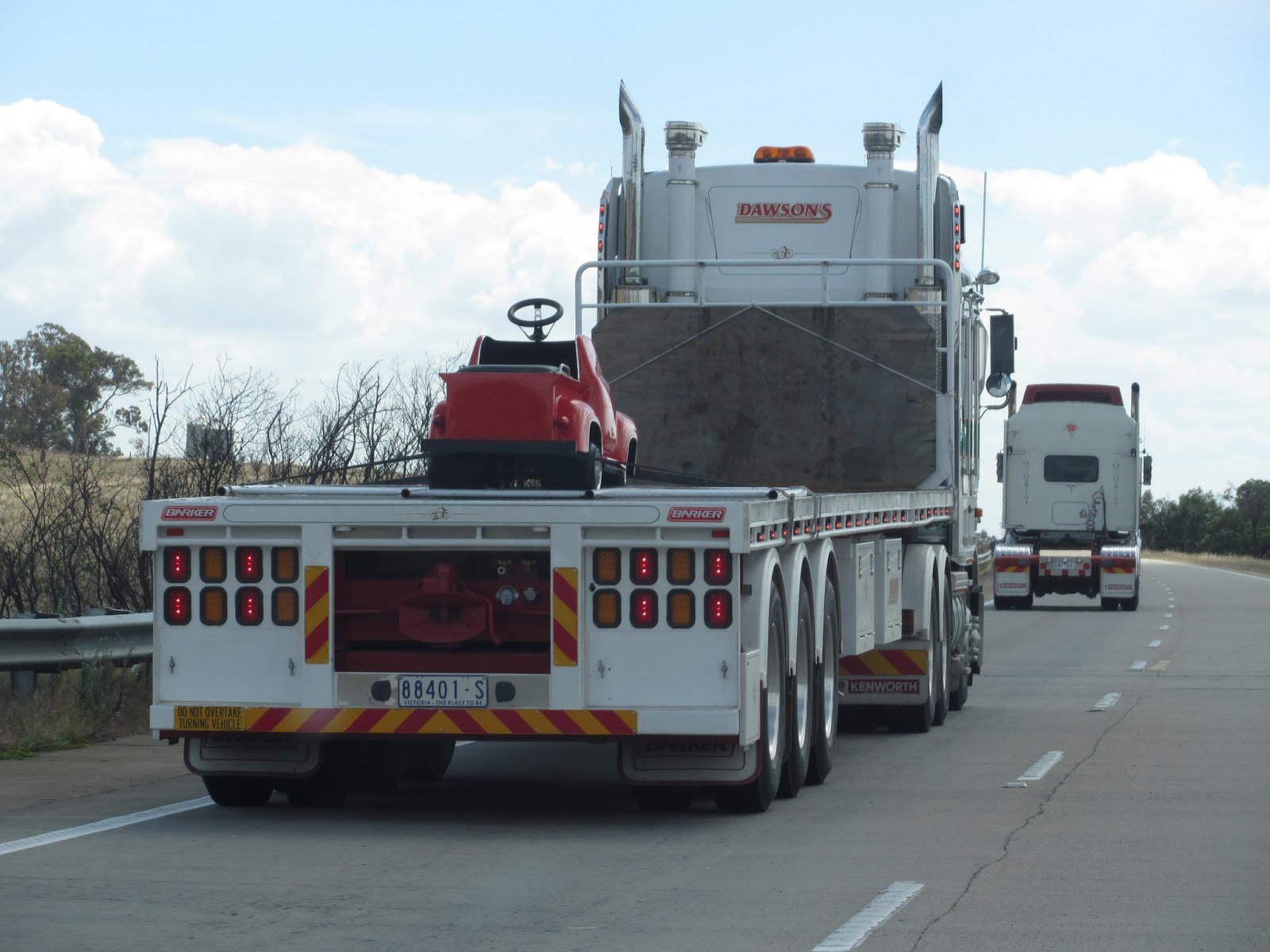
We passed many trucks on our drive however we fell in love with the precious cargo on this semi.
The highway was four lanes now all the way to Melbourne which made a very relaxing drive. We stopped overnight in Albury to break up the trip. Then continued our drive the next day to Nepean Country Club in Boneo on the Mornington Peninsula which is our home for the next week. Set in a very relaxing rural area surrounded by produce farms of all types, vineyards and ocean villages.

Views back towards the entrance of the resort.
Views of the area's produce farms from the resort.
Indorr and Outdorr Swimming Pool areas.
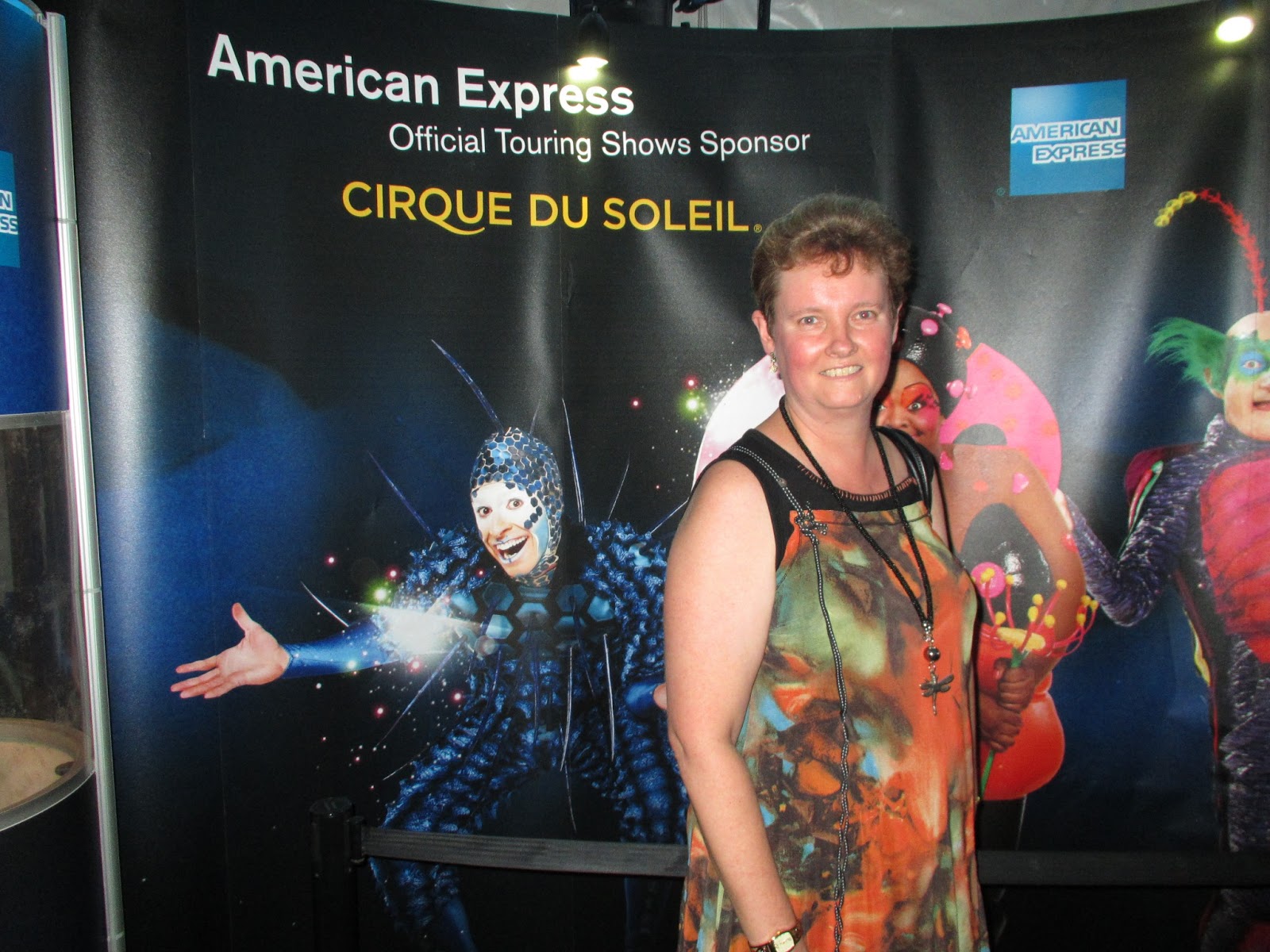
Yesterday we drove to Melbourne and went to the Famous Victoria Markets before going to our 1pm matinee performance of Ovo by Cirque de Soleil which was extraordinary. What some people can do with trampolines, rock climbing walls, trapeze and a few rocks leaves you wondering.

Of course I found the beautiful Christmas shop.
Meat, Fish, Diary and Baking markets are all inside this very nice produce market.
In its 130 years, Queen Victoria Market has had a colourful and sometimes controversial history. During that time, the site has been a cemetery, a livestock market and a wholesale fruit and vegetable market. Each of these operations has its own history and an element of controversy. The Queen Victoria Market was officially opened on 20 March 1878, a range of markets having operated from the site in varying forms prior to that date. Melbourne has always been a Market town. Its residents have always had a fascination with Markets, and this tradition continues even today. The Melbourne City Council was originally established in 1842 to manage the City's many markets, of which one was Queen Victoria Market. 

The Lower Market (bounded by Elizabeth, Victoria, Queen and Therry Streets) is the oldest part of the Market. It was originally set aside in 1857 for a fruit and vegetable market due to over-crowding and congestion at the Eastern Market but the location was unpopular and the market gardeners wouldn't use it. Instead, it was used as a livestock and hay market until it was permanently reserved as a Market in 1867. The following year, a substantial brick building was erected on Elizabeth Street and this became a Wholesale Meat Market. However, the wholesale meat trade soon became dissatisfied with the site and relocated to the Metropolitan Meat Market building in Courtney Street, North Melbourne. The building was then turned over to a Retail Meat and Fish Market and slaughterhouse. In 1878, the Market sheds G, H, I & J were built on the site and wholesaling and retailing of fruit and vegetables occurred for the first time. While H & I Sheds still stand, G Shed was removed to construct the current Meat Hall loading bay and a block of public toilets. The original J Shed burnt down and is now a public plaza. In 1880, the Elizabeth Street shops were constructed following the realignment of Elizabeth Street. This also allowed the Meat Hall to be extended, and the present facade to be constructed in 1884. The Dairy Produce Hall (also known as the Deli Hall) was the last of the buildings to be built on this part of the Market, and was constructed in 1929.
Surrounding the markets are historical building with lovely boutique shops inside.
The Upper Market (bounded by Queen, Victoria, Peel and Franklin Streets) was not originally reserved as a market but had a number of other uses including a school and drill hall. Its predominant use, however, was as Melbourne's first cemetery. Construction of A-F sheds began in 1877 at the northern-most edge of the Market. This site was chosen because it contained the school, drill hall and the least-used section of the cemetery.

By 1930, the remainder of the site had been built upon. Between 1903 and 1905 A-C Sheds were extended to Peel Street, while D-F Sheds were not extended until 1922. That same year, the Queen Street and Peel Street verandahs were also constructed. The roofing of the centreway occurred in 1927. In 1929-1930 the large K and L Sheds were constructed for growers.

In 1929-30, the City of Melbourne constructed 60 brick stores on the current car park to house the wholesale agents and merchants. However, allegations of corruption and racketeering and a Royal Commission in 1960 led to the decision to relocate the Wholesale Market to Footscray in 1969. A single row of the Agents stores along Franklin Street is all that remains of the Merchants section of the Market.

Walking to the dockside area to find the Big Top Tent for the Cirque De Soleil we passed a theatre restaurant which looks like it would be lots of fun.

Witches in Britches Theatre Resturant
 
Famous Melbourne Tram.
Melbourne's tram system began operations in 1885, when the first cable line operated by the Melbourne Tramway and Omnibus Company opened for business. The cable tram system grew to be very comprehensive and operated successfully for 55 years.

Australia's first electric tram line, from Box Hill Station to Doncaster, was built by a group of land developers using equipment left over from the Great Exhibition of 1888. It opened in 1889. At this time the line must have been right out in the sticks, since Box Hill itself was many kilometres beyond the existing tram system. It had one or two problems, such as arguments with land owners who fenced over the line and pulled down the power lines, and poor reliability, since its owners knew nothing about running a tram system, and it died by 1896. The only hint now that there was ever a tram system in the Doncaster area is a road along the former route - Tram Road.

The first serious electric trams in Melbourne began in 1906 with the North Melbourne Electric Tramway and Lighting Company (NMETL) who built a line from the edge of the cable system out towards Essendon, and the Victorian Railways who built a line from St. Kilda to Brighton. The NMETL, a British concern, was interested in selling electricity to customers along the route. The company commenced operations with single bogie saloon cars and unpopular toastrack cars.

The Victorian Railways (VR) line came about when the well-named Thomas Bent became Premier of the state. He used the position to enhance the value of his property interests in Brighton by forcing the VR to build and operate a tram service in 1906. The reluctant Railways then insisted that the tram be called a "Street Railway"; built it using the 5 ft 3 inch VR railway gauge instead of the proposed tramway standard gauge of 4 ft 8.5 inches, and connected it with the St Kilda Railway station instead of the cable tram terminus.
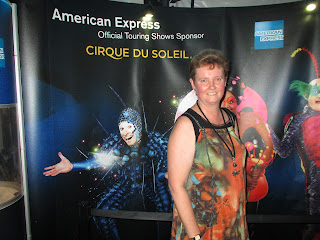
Ready to enjoy the performance.
A marvelous idea began to take shape in the early 1980’s in Baie-Saint-Paul, a charming village nestled on the north shore of the St-Lawrence River, east of Quebec City. Les Échassiers de Baie-Saint-Paul (‘The Stiltwalkers of Baie-Saint-Paul’), a theatre troupe founded by Gilles Ste-Croix, walked on stilts, juggled, danced, breathed fire and played music. These young entertainers, among whom was Cirque du Soleil-founder Guy Laliberté, constantly impressed and intrigued Baie-Saint-Paul’s residents.

In 1984, during Quebec’s 450th anniversary celebrations of Jacques Cartier’s discovery of Canada, the province sought an event which would bring the festivities to all Quebecers. Guy Laliberté convinced organisers the answer was a provincial tour of Cirque du Soleil performers and it hasn’t stopped since!

From then on, Cirque du Soleil tale is that of a remarkable bond between artists and spectators from around the world. And it is the latter who feed the sacred fire of Cirque du Soleil.

After the performance whilst Kevin walked to get the car I browsed around the Dockyard area.

Dockyard Waterfront

Dame Edna Bronze Statue


Melba Bronze Statue
View over dockyard into the CBD.
Modern Sculptures on foreshore.